A Beginner's Guide to Kentish Produce: What to Try and Where to Buy It
Kent has been feeding London for centuries, and the habit stuck. Orchards, hop gardens and working fishing harbours sit within an hour of one another, so a single Saturday can take you from a cherry farm to an oyster shed to a cheese counter without much planning. The tricky part is knowing what is genuinely local, when it is at its best and where the producers actually sell. This guide covers the essentials — cherries, hops, seafood, cheese, cobnuts — and the markets and stalls worth a detour.
Cherries: Kent's Short, Sweet Season
Nothing says Kent quite like a cherry orchard in July. The sheltered valleys around Faversham, Sittingbourne and Maidstone have grown cherries for centuries, and while the acreage is smaller than it once was, the fruit is still the county's signature crop. The season is short and unforgiving: sweet cherries generally run from late June into early August, and the best of them are gone within three or four weeks.
Look for firm, glossy fruit with green stems attached, and buy more than you think you need — a punnet rarely survives the drive home. Don't wash them until you are about to eat them, as damp cherries split and mould quickly. Pick-your-own farms charge by weight and let you choose your own ripeness, which is worth the effort if you plan to bake. For jam and pies, ask for Morello or another sour variety; they hold their shape and cut through sugar. Brogdale, near Faversham, holds the national fruit collection and is the place to taste how different varieties compare.
Hops, Oast Houses and the Beer They Made Possible
Those white-cowled oast houses scattered across the Weald exist because Kent once supplied a large share of Britain's hops. East Kent Goldings, grown in the sheltered soils of the Weald, carries protected status and is still prized by brewers for a soft, spicy character. You will find it in beers from Shepherd Neame in Faversham and from smaller outfits such as Gadds' in Ramsgate and Old Dairy in Tenterden.
The best time to drink Kentish beer is the autumn green-hop season, when brewers use freshly picked hops within hours of harvest. It is a fleeting thing — a few weeks, sometimes less — and the resulting pints taste grassy and vivid in a way dried hops cannot match. Ask at the bar; landlords who care will tell you exactly when the fresh stuff arrived.
From the Coast: Oysters, Sole and Crab
Whitstable is synonymous with oysters, and rightly so. Native oysters — the flat, mineral ones — have been dredged there for centuries, with Pacific oysters farmed alongside them. The town's oyster festival fills the streets in summer, but the harbour stalls and seafront restaurants do the job all year. Buy from a seller who keeps them cold and can tell you when they were landed, eat them within a day or two, and shuck them over a bowl to catch the liquor.
Further east, Deal, Ramsgate and Folkestone land excellent fish. Dover sole is the famous name, though it is not caught exclusively at Dover — look for firm, bright-eyed flatfish at the quayside or in a good wet fish shop. Crab and lobster from the Kent coast are worth the money, especially picked meat sold the day it was cooked. If you are pregnant, unwell or immunocompromised, take advice from a health professional before eating raw shellfish.
Cheese, Cobnuts and Other Small Specialities
Kent's dairy scene is small but serious. Kentish Blue, made near Staplehurst, is a creamy blue with a growing reputation, and Winterdale Shaw, a raw-milk cheese produced near Sevenoaks, is matured to a nutty, crumbly bite. Both turn up at farmers' markets and good delis; neither is made in industrial quantities, so supply is uneven. If you see them, buy them.
Then there are cobnuts, a cultivated hazel grown in the orchards around Sevenoaks, Ide Hill and Plaxtol. In September and October they arrive green and milky, still in their husks, and they are one of the few seasonal treats you cannot fake. Eat them fresh with a hard cheese, or roast them for a deeper flavour. Add Kentish apples, pears and the chalk-soil vineyards of the North Downs — Chapel Down, Gusbourne and Biddenden among them — and you have a picnic without leaving the county.
Where to Buy Kentish Produce
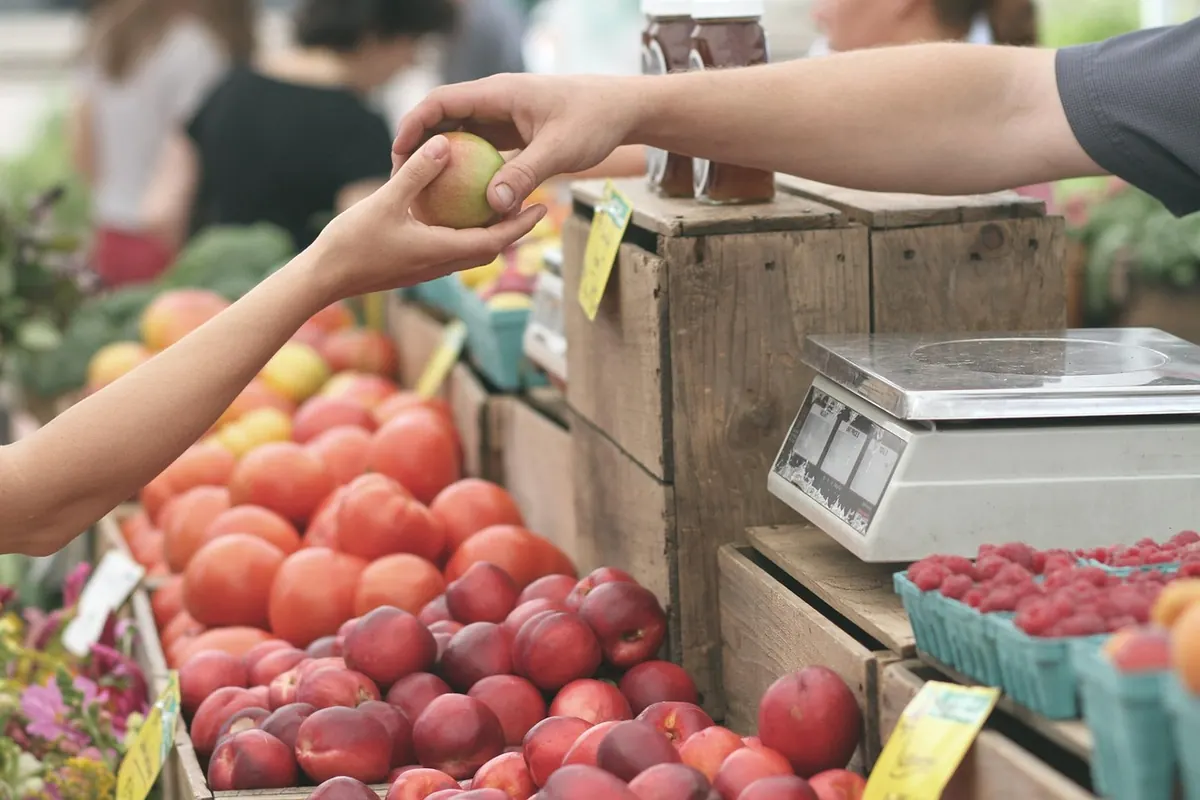
Supermarkets will sell you a Kentish apple, but the interesting things move through shorter routes. Start with these.
- Farm shops: Macknade in Faversham and Chegworth Valley near Harrietsham are reliable for fruit, cheese, beer and local meat in one stop.
- Farmers' markets: Faversham's charter market, the Goods Shed in Canterbury, and the regular markets in towns such as Tonbridge and Maidstone. Days vary, so check before you travel.
- Harbour stalls: Whitstable for oysters and fish, Deal and Folkestone for crab, lobster and whatever the boats brought in that morning.
- Farm gates and pick-your-own: signposted along country lanes in the Weald and around Faversham. The cheapest cherries and strawberries are the ones you pick yourself.
- Direct from producers: most Kentish breweries, vineyards and small dairies sell on site or run tours. A phone call ahead saves a wasted trip.
A few habits make all of this easier. Take cash, since stalls and farm gates often cannot take cards. Shop in the morning, before the best displays are picked over. And ask the simple question — "was this grown or made here?" — then listen to the answer. Genuine producers will tell you precisely where their stock comes from.
Start With One Thing
You do not need a grand tour. Pick the season and follow it: asparagus and strawberries in late spring, cherries and oysters in July, green-hop beer and cobnuts in early autumn, crab and shellfish through the winter. Buy a small amount, ask who made it, and go back the following week. Kent's food is at its best when it is bought close to where it was grown, and the shorter the distance, the better it tastes.
Photo: Pexels / Pixabay